Reads fiction or nonfiction
Separate analysis modes for story promise, reader experience, frameworks, evidence, credentials, and claim risk.
Manuscript in. Upload-ready system out.
A reusable author workflow that reads the actual book, chooses the strongest Amazon modules, writes compliant native copy, creates manuscript-grounded visuals, and delivers the previews, evidence, and upload map needed to finish with confidence.
Instant ZIP after checkout. No subscription. Amazon approval or sales are not guaranteed.
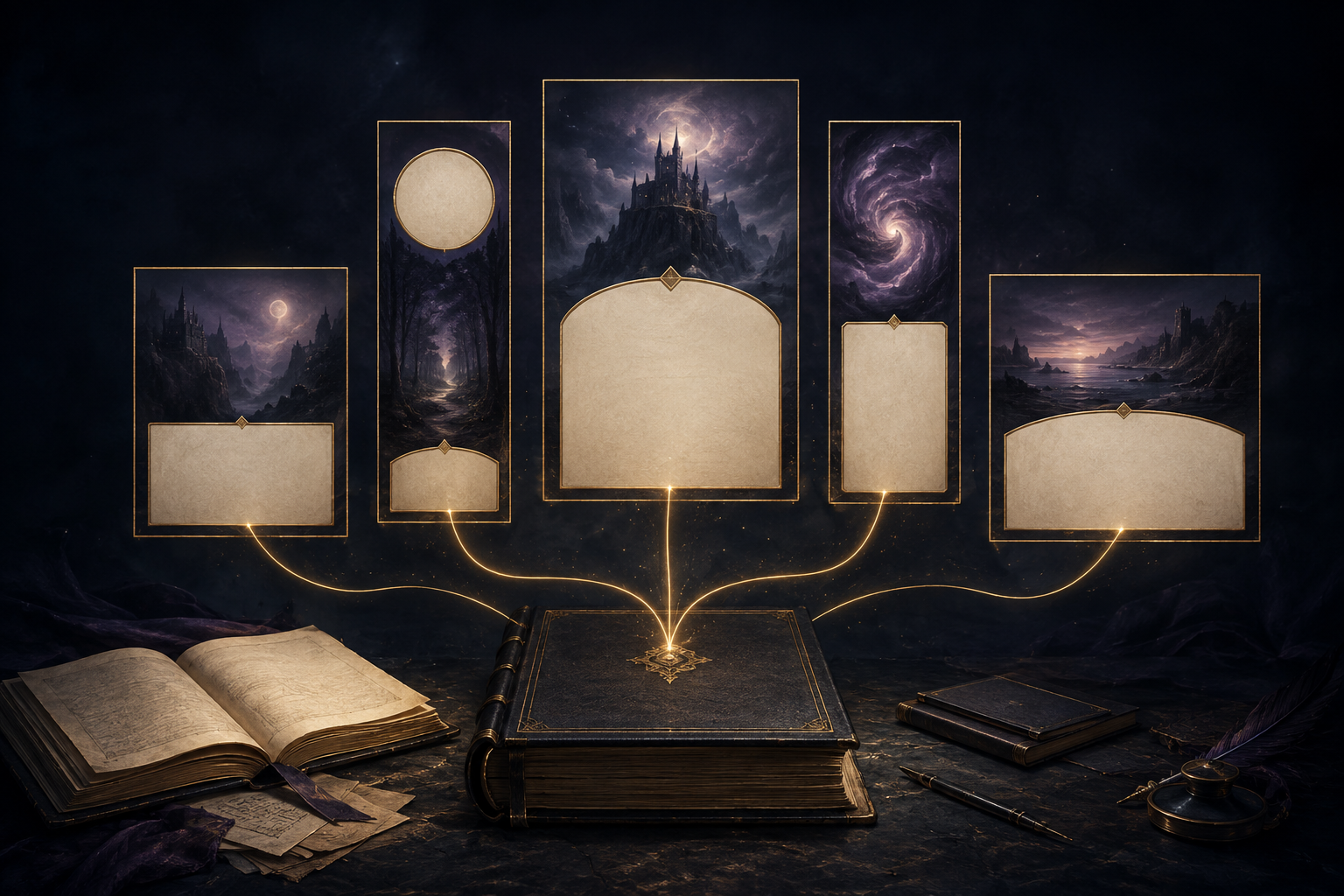
Not a generic prompt pack
The workflow identifies the real retail manuscript, maps claims and imagery back to evidence, protects spoilers, and scores the proposed sequence before final production.
Separate analysis modes for story promise, reader experience, frameworks, evidence, credentials, and claim risk.
Uses all seventeen current KDP module types as a decision system—not a one-layout-fits-every-book template.
Strategy, native copy, sized images, alt text, evidence ledger, previews, compliance report, and upload map.
Dimensions, RGB mode, file size, DPI metadata, duplicates, focal points, excessive upscaling, and overlay contrast.
When an ASIN or listing URL is supplied, the A+ plan fills unanswered reader questions instead of repeating the detail page.
It can prepare or draft the project, but it will not apply ASINs or submit without explicit authorization.
Real output
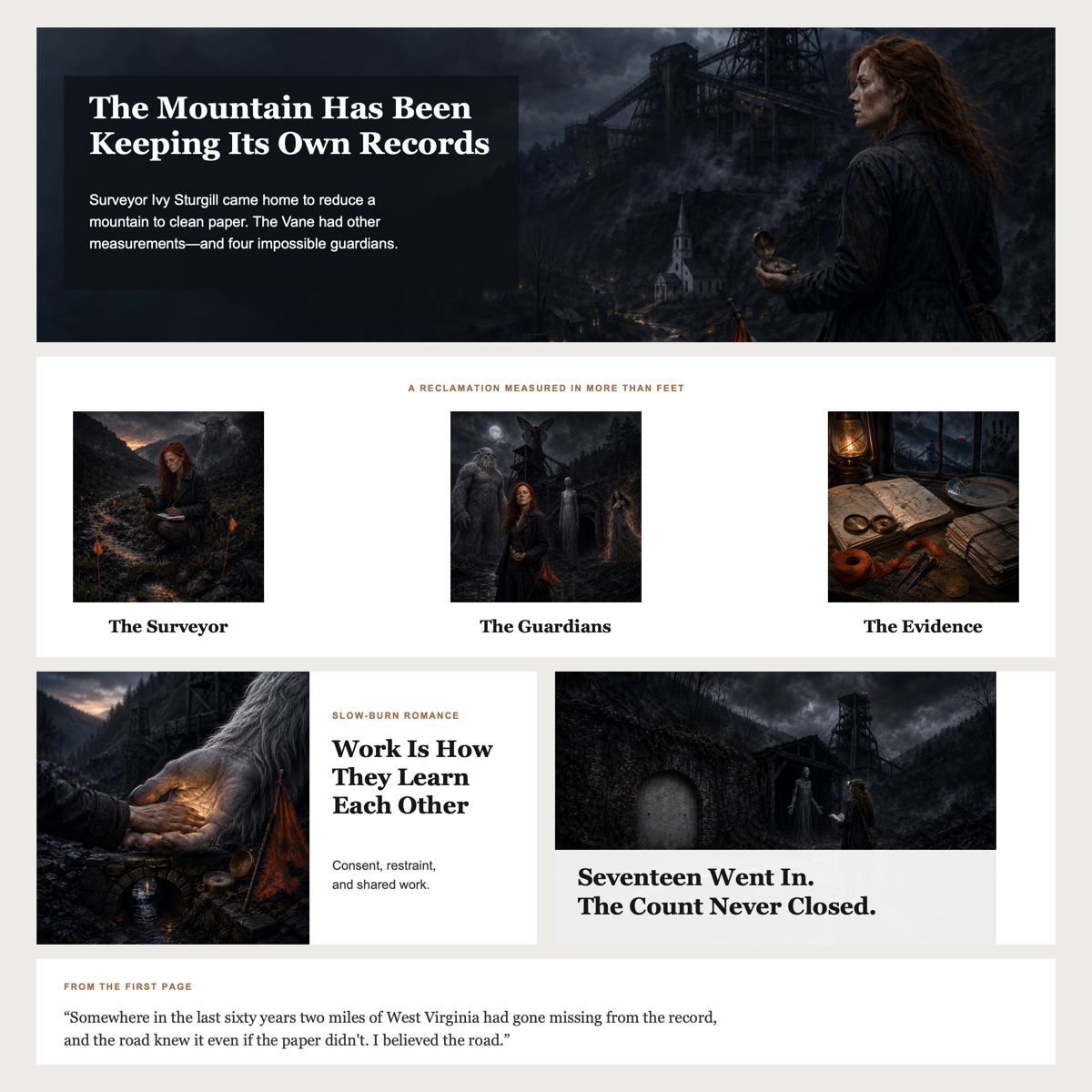
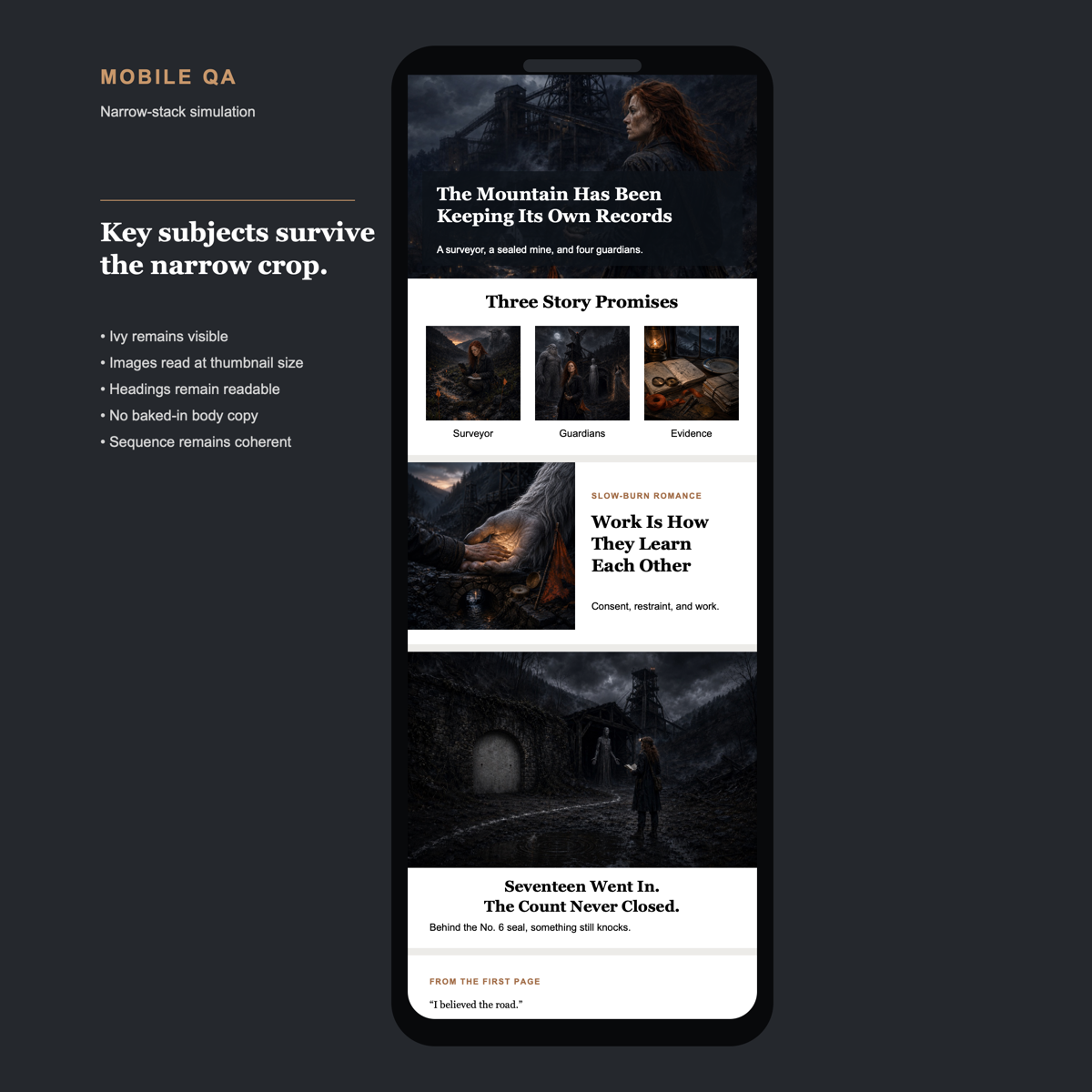
This spoiler-safe example was created from the retail EPUB of Overburden by K.S. Valentina. The skill chose the module sequence, wrote the copy, created six assets, and produced desktop and mobile review previews.
Workflow
Questions
No. It checks current official guidance and common rejection risks, but Amazon makes the approval decision and can change its interface or policies.
No. The skill scores the sequence for the book, existing listing, series context, available evidence, and mobile experience.
Yes when the active workspace has an image-generation tool. Without one, it supplies exact art direction and specifications and clearly marks the visual package incomplete.
Yes. Its nonfiction branch examines the reader problem, supportable outcome, framework, chapter architecture, exercises, credentials, and high-risk claims.
The downloadable skill runs in the AI workspace you choose. Darkling Collective does not receive a manuscript merely because you purchased or downloaded the skill. Your selected AI provider’s own privacy and data terms still apply.
The single-user license allows commercial use of your original outputs, subject to the rights and platform rules governing your manuscript, supplied assets, fonts, and generated content. The skill files themselves cannot be shared or resold.